

Grey Reef Sharks: One of the Ocean’s Most Confident Reef Predators
Grey reef sharks are the most recognisable predators on tropical coral reefs. Intelligent and highly specialised for living on coral reefs, these sharks are crucial to the health of marine ecosystems. While often identified with dramatic coral reefs and pristine tropical waters, grey reef sharks remain somewhat mysterious to many people. While roaming the open ocean, there exist many types of sharks; however, unlike those open-water sharks, grey reef sharks are primarily confined to the coral reef edge and lagoon areas. Grey reef sharks serve as regulators of fish populations and are critical to maintaining ecosystem balance on coral reefs. As such, the confidence in their swimming patterns, combined with their curious nature, makes them popular subjects for both marine biologists and underwater photographers.
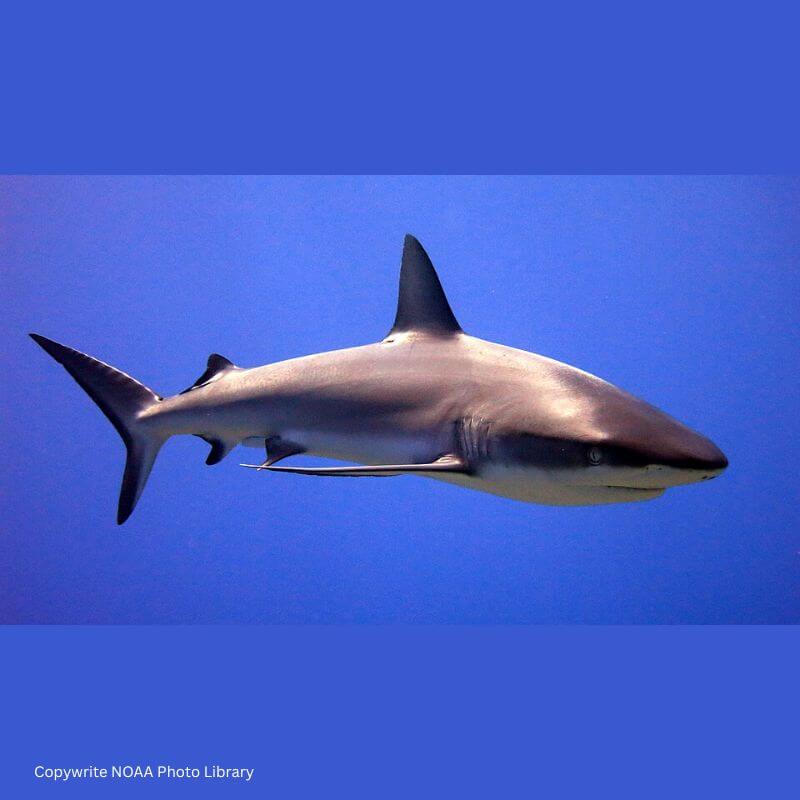
What Is a Grey Reef Shark?
A grey reef shark (Carcharhinus amblyrhynchos) is a medium-sized member of the family Carcharhinidae. They are found in warm tropical water in the Indo-Pacific region. They are recognised by their smooth grey colour, white belly, and broadly rounded snout, along with a black border at the rear of the caudal fin. Their bodies were designed for rapid movement and maneuverability. This design allows them to effectively navigate through complex coral reef structures. Unlike larger oceanic sharks that regularly migrate hundreds of miles, grey reef sharks tend to be resident on coral reefs throughout their entire lifespan.
Identity & Physical Description
There are numerous physical traits that allow the identification of grey reef sharks from other similar-looking reef sharks.
Length
Adult grey reef sharks are typically:
- 1.3–1.9 meters (4.3–6.2 feet) long
- Recorded maximum lengths are around 2.6 meters (8.5 feet) long
- Weight ranges between 18–34 kg (40–75 pounds), with larger female sharks weighing slightly more than smaller male sharks
Colour/body appearance
Many key identifying traits include:
- Upper body: light to dark charcoal-grey
- Belly: white
- Snout: rounded
- Tail fin: large black margin
- Dorsal fin tip or border: distinct white tip or white trailing margin
- Pectoral fins: thin and elongated
- Eyes: large and dark
Their physical structure enables fast and efficient swimming.
Grey Reef Sharks Habitat and Distribution
Grey reef sharks occupy a wide geographic area throughout the Indo-Pacific Ocean’s tropical waters. They can be located in:
- Eastern Africa
- The Red Sea
- Madagascar
- Seychelles
- Maldives
- India
- Indonesia
- Philippines
- Papua New Guinea
- Northern Australia
- Japan
- Micronesia
- Fiji
- French Polynesia
- Hawaiian Islands
They appear in greater concentrations around healthy coral reef systems.
Grey reef sharks preferentially use the following locations as part of their habitat:
- Outer reef walls
- Reef drops
- Slope sides
- Lagoons
- Passes between reefs
- Channels with high currents
Typically, grey reef sharks reside at depths ranging from 10 to 280 m, although most stay in less than 100 m deep waters.
Why are Grey Reef Sharks significant to coral Reefs?
Since grey reef sharks are apex predators, they rank high within the coral reef food web. By limiting the populations of smaller predators and large predatory fish that compete for food resources, they help prevent any single species from dominating.
Populations of healthy grey reef sharks aid in:
- A balanced community of fishes
- Stronger coral reef ecosystems
- Higher levels of biodiversity
- Resilient marine ecosystems
Coral reefs without sharks lose stability, thereby impacting numerous marine species that humans consume.
Diet
Grey reef sharks feed on a variety of prey species, depending on their geographical distribution and prey availability.
Some common prey species include:
- Surgeonfish
- Groupers
- Snappers
- Goatfish
- Squid
- Octopus
- Crustaceans
- Small rays
- Juvenile sharks
Using excellent eyesight, a keen sense of smell, and electroreception, they find prey hiding in coral structures.
Behaviour of hunting Grey Reef Sharks
Grey reef sharks actively search for prey during the night and twilight hours as they cruise through the outer edges of reefs.
Often they hunt:
- Alone
- In small, loose groups
- Along the current-swept reef edges
- At dawn/dusk, when prey activity increases
Unlike ambush predators, grey reef sharks rely on speed, accuracy and surprise to catch prey.
Fish schools reacting to a hunting grey reef shark often behave dramatically.
Behaviour
Grey Reef Sharks threat display
One of the most studied behaviours involving sharks is the threat display exhibited by the grey reef shark.
When a grey reef shark perceives itself being threatened by a diver, it may exhibit:
- Raising its snout
- Lowering its pectorals
- Swimming in an exaggerated lateral motion
- Arching its back
The purpose of this display is to signal aggression and warn potential predators, rather than initiating an attack immediately. For divers, recognising this behaviour can help provide additional space for the shark to safely retreat from the diver.
Can these shark species harm humans?
Considering how often divers interact with grey reef sharks, documented cases of human injury caused by grey reef sharks are minimal. Most interactions between grey reef sharks and humans are non-threatening. However:
- Provocation by humans
- Being trapped/penned
- Speared/fishing for bait
- Food presence
- Feeling threatened/defending their territory
Divers who exercise safe diving practices can minimise negative experiences with grey reef sharks.
How do they give birth?
Grey reef sharks reproduce viviparously (live birth).
Following fertilisation of eggs internally by the male:
- Embryos develop inside the uterus
- Nutrients provided through a connection resembling a placenta
- Gestational period: approximately 12 months
Female grey reef sharks typically give birth every two years.
Birth litters average:
- 1–6 newborns per litter
- Average number per litter = 3–4 newborns
Each newborn shark typically measures approximately 45–60 centimetres in length. Young sharks initially reside in shallow coastal areas adjacent to coral reefs where predation risk is lower.
Lifespan
Estimates suggest that grey reef sharks may survive for approximately 25 years, potentially longer depending on environmental factors. Due to slow growth rates, recovering from population loss for this shark species takes considerable time.
Substantial threats
Substantial threats facing declining populations of grey reef sharks include:
Commercial shark fishing:
For sale:
- Shark fins
- Meat
- Oil extracted from the liver
- Bycatch in commercial tuna fisheries
Due to slow maturation rates, recovery times following extensive fishing will be considerable.
Habitat loss:
Pressures from:
- Coastal development
- Pollution
- Sedimentation
- Coral mining
As habitat quality continues to deteriorate in coral reefs, suitable hunting/breeding areas for grey reef sharks diminish.
Climate change:
Rising ocean temperature contributes to:
- Bleaching of corals
- Declines in marine biodiversity
- Degradation of habitat
- Alterations in the abundance of prey species
Healthy coral reefs are essential for sustaining the long-term viability of grey reef shark populations.
What Can We Learn from Grey Reef Sharks?
Grey reef sharks are an exceptional model for how specialised predators help maintain the health of the coral reef ecosystem. Because they are intelligent, agile, and ecologically significant, the grey reef shark is among the most interesting sharks in tropical waters. With climate change, increased damage to coral reef habitats, and overfishing continually affecting the health of coral reefs, the need to conserve species such as the grey reef shark continues to grow. Healthy shark populations lead to healthy coral reefs, and healthy coral reefs support thousands of other marine species (many of which humans rely on). Conserving and protecting coral reefs will also help safeguard the grey reef shark and the unique underwater environment in which it lives.