

Bull Shark: One of the Ocean’s Most Adaptable Predators
The bull shark is among the most remarkable sharks in the world. Unlike most shark species, they can live in both salt water and fresh water and travel far into rivers and estuaries. This amazing ability has made bull sharks one of the most widely distributed large sharks on Earth. Bull sharks have gotten a reputation for being dangerous because they often live near people, but the reality is much more complicated. Bull sharks serve an important role, too, by controlling prey populations and supporting biodiversity.
What Is a Bull Shark?
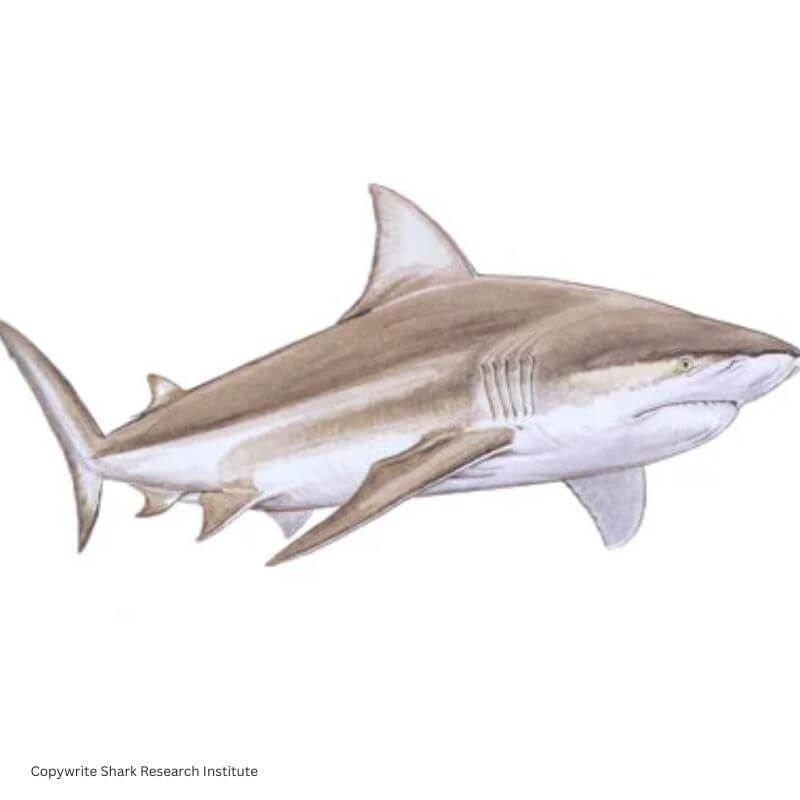
Bull sharks (Carcharhinus leucas) are large sharks found in tropical and subtropical waters worldwide. They belong to the family Carcharhinidae, which includes blacktip sharks, spinner sharks and reef sharks. Bull sharks get their name because they have:
- Stocky and muscular bodies
- Broad and blunt snouts
- Strong swimming ability
- An aggressive feeding style
Unlike many other sharks that stay out in the open ocean, bull sharks frequently patrol:
- Coastal waters
- Estuaries
- River mouths
- Harbours
- Freshwater rivers
- Coastal lagoons
Their adaptability lets them exploit habitats that other sharks generally can’t use.
Why Can Bull Sharks Live in Freshwater?
One of the most amazing facts about bull sharks is their ability to tolerate fresh water.
How do bull sharks survive in rivers?
Most sharks rely on saltwater to maintain proper fluid levels in their bodies. Bull sharks have specialised kidneys and glands that regulate salt concentration, allowing them to move between fresh and salt water without becoming dehydrated. This process is called osmoregulation. Bull sharks have been recorded swimming very long distances into rivers, including the Mississippi River in the United States, the Amazon River in South America and the Zambezi River in Africa. Some individuals spend months or even years in freshwater before they swim back out to the ocean.
Bull Shark Identification
Identifying a bull shark is simple once you understand how to identify them.
Characteristics that can help in identifying a bull shark include:
- A broad, rounded snout
- Muscular body shape
- Upper gray color
- White belly
- Eyes very small relative to the size of their body
- Triangular dorsal fin
- Large and powerful tail
How Big Do Bull Sharks Get?
- Average adult length: 2.1–3.4 meters (7 to 11 feet) long
- Maximum recorded length: Approximately 4 meters (13 feet) long
- Average adult weight: Between 90 and 230 kilograms (200–500 pounds)
- Sexual dimorphism: Males are typically smaller than females, with large mature females occasionally exceeding 300 kg (660 pounds).
Where Do Bull Sharks Live?
Bull sharks have one of the widest distributions of any shark species.
They occur throughout:
- Atlantic Ocean
- Indian Ocean
- Pacific Ocean
Common locations include:
- South Africa
- Australia
- United States
- Brazil
- Mexico
- India
- Southeast Asia
- West Africa
They favour warm waters above 20°C.
Why They Prefer Coastal Waters
Unlike most pelagic sharks, bull sharks usually live much closer to land than other pelagic species.
The preferred areas for living that bull sharks like best include:
- Sandy beaches
- River mouths
- Mangrove swamps
- Shallow coastal bays
- Harbour waters
- Estuaries
- Shallow continental shelves
A reason why young bull sharks grow up in estuaries is that there tend to be fewer larger predatory animals in those types of bodies of water.
Diet
Bull sharks are opportunistic feeders. Because they can adapt to where they live and how old they get, the types of food bull sharks eat depend greatly on both place and age.
Some common food sources bull sharks have included:
- Fish
- Rays
- Other smaller shark species
- Crayfish
- Occasionally, dolphins
- Sea turtles
- Seabirds
- Squid
Young bull sharks primarily consume small fish, crabs and shrimp. Adult bull sharks also consume a great deal of larger prey due to their extremely powerful jaws.
Hunting Strategy
The bull shark uses a variety of methods to locate and capture its prey.
Some of these methods are:
- A strong sense of smell
- Sensitive hearing (hearing)
- Vision
- Ability to detect the electrical impulses that animals produce when they move (electroreception)
- The lateral line system senses movement through vibration
When hunting in shallow waters or other areas where space may be limited, the bull shark will typically hunt alone. In addition, bull sharks have developed effective strategies for hunting.
Some of their hunting techniques include:
- Approaching quietly
- Striking quickly
- Using the force of their jaws to deliver a powerful bite
- Returning to finish off a kill that was partially eaten
Is The Bull Shark Dangerous to Humans?
One of the biggest myths about Bull Sharks is that they attack swimmers so often. As a result of living in shallow coastal waters such as rivers, bays and beaches where millions of people go swimming, there have been numerous reported shark attacks involving this particular species of shark.
It is, however, worth noting that:
- Shark attacks on swimmers are still incredibly rare.
- Each year, millions of people go into the water with little risk of shark attacks.
- Bull sharks do not prey on humans.
- The majority of cases are thought to be instances of mistaken identity by the shark or simply due to their curiosity.
Taking simple safety measures will further reduce your risk of encountering a Bull Shark.
Bull Shark Behaviour
While bull sharks typically forage alone, they are not strictly solitary animals, as researchers have discovered they form complex social bonds and distinct individual preferences for specific companions.
Behaviour that can be associated with bull sharks includes:
- Territorial movement
- Seasonal migration
- Opportunist feeding behavior
- Investigation of freshwater environments
Bull sharks do not school like most other schooling fish, and will seldom associate in large numbers (other than for mating or when there is an abundance of food). Young bull sharks will spend much of their lives in a protective nursery habitat area until they move to a larger coastal zone.
How Do Bull Sharks Reproduce?
They deliver their offspring (pups) alive. The method of reproduction used by bull sharks is called viviparity.
Some other important details regarding reproduction include:
- Gestation is from about 10 to 11 months.
- On average, a litter will have 1–13 pups.
- Newly born pups are generally around 60–80 cm in length.
- Bull shark females typically return to an estuary with shelter to give birth.
Nursery areas provide safe locations for newborn pups to grow.
Lifespan
Bull Sharks have a relatively long lifespan.
Average Lifespan:
- Approximately 16–25 Years
- Longer lifespans have been documented for some individual Bull Sharks
Relative to other bony fish, growth in Bull Sharks is slower.
As female Bull Sharks reach maturity at an older age than males and give birth to fewer offspring per year, recovery from a population decline takes much longer than several decades.
Their Role in the Ecosystem
Bull Sharks are Apex Predators. Apex predators reside at the top of a marine food web. Predation by bull sharks removes lower-quality fish, rays, and smaller sharks, thereby helping to balance prey populations and maintain overall ecosystem health. If an apex predator were removed, it would likely destabilise a marine food web, ultimately negatively impacting numerous other species.
Threats
While bull sharks can be formidable predators, their numbers have been impacted by human activities.
The Bull Shark is commercially fished for:
- Meat (fin, liver, skin)
- Longlines
- Gill Nets
- Trawl Fishery
In addition to targeted catches, thousands are caught incidentally during commercial fishing operations (bycatch).
Development and Habitat Destruction
A significant portion of habitat critical for bull shark reproduction has been destroyed or degraded due to coastal development and pollution, mangrove loss, wetland drainage and river modification. Estuaries provide important nurseries for young bull sharks; therefore, the health of these areas is crucial to their successful transition into adulthood.
Changes Due To Climate Change
Climate Change may lead to changes in water temperature, ocean circulation patterns, stream flows, and coastal habitat types, which will affect reproductive sites and the availability of food sources for bull sharks.
Slowing Rebuilding Of Populations
Bull sharks breed slowly compared to most other fish.
They:
- Mature late
- Produce fewer pups than other fish species
- Tend to breed infrequently
All of this results in a slow recovery from population-size depletions.
Conservation Status
The IUCN has listed the Bull Shark as a threatened species due to population declines in parts of its range; however, there are ways to protect it.
Some examples of how we can help conserve Bull Sharks include:
- Regulations on commercial fishing
- Establishment of marine protected areas
- Restoration of habitats that provide suitable habitat for Bull Sharks
- Monitoring through the science of Bull Shark populations
- Education of the public about the importance of protecting Bull Sharks
Reduced catch in estuaries is one effective method for conserving Bull Sharks.
Final Thoughts on Incredible World of Sharks
They are one of the most impressive predators found in nature because of their ability to thrive in all three environments. They have earned our respect by being able to survive in so many different types of water, but it is equally as important that we protect these animals.