

Bronze Whaler Shark: The Story Behind The Bronze Coloured Shark
The Bronze Whaler Shark is a very attractive and majestic species found mostly in temperate and warm-temperate coastal waters worldwide.. It is also referred to as Copper Shark. This fast swimming predator is recognized by it’s striking bronze coloration, sleek body shape, and inquisitive behavior. Although large enough to command respect from other animals, the Bronze Whaler Shark plays an essential role in the ocean’s ecosystem. As part of maintaining a balance in fish populations, they support the overall health of the ocean.
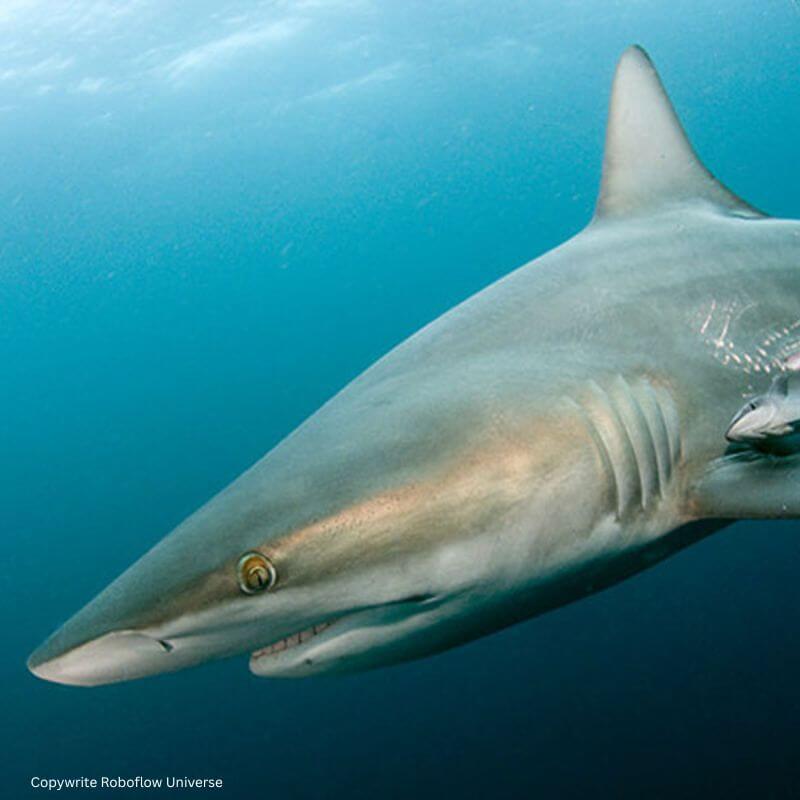
What is a Bronze Whaler Shark?
The bronze whaler shark (Carcharhinus brachyurus) is an apex predator and a large requiem shark in the family Carcharhinidae. This is also known as a copper shark due to the bronzy sheen on its skin when it is hit by sunlight. Bronze whalers have been shown to live in various types of environments and are able to thrive in both shallow coastal waters, as well as bays, estuaries and other areas further from shore.
Why Is It Called a Bronze Whaler Shark?
The Bronze Whaler Shark has a unique combination of characteristics that have contributed to its name. The ‘bronze‘ part of the name comes from the copper/bronze colouration of the shark’s body. The ‘whaler‘ part of the name is an old generic term for many large coastal sharks that were targeted by fishermen in the past. Today, scientists usually call this species “the bronze whaler” or “copper shark,” depending upon their geographic location.
Bronze Whaler Shark Classification
- Kingdom: Animalia
- Phylum: Chordata
- Class: Chondrichthyes
- Order: Carcharhiniformes
- Family: Carcharhinidae
- Genus: Carcharhinus
- Species: Carcharhinus brachyurus
The bronze whaler belongs to the same family as:
- Blacktip sharks
- Spinner sharks
- Bull sharks
- Silky sharks
Bronze Whaler Shark Distribution Around the World
The bronze whaler shark has one of the widest distributions of any requiem shark.
It can be found in:
- South Africa
- Australia
- New Zealand
- Argentina
- Brazil
- Chile
- Japan
- China
- Mediterranean Sea (occasionally)
These sharks prefer warm temperate waters but can tolerate a wide range of ocean temperatures.
Bronze Whaler Shark Habitat: Where Are They Most Common?
Bronze Whaler Sharks are most commonly found at:
- Continental Shelves
- Rocky Reefs
- Bays
- Harbors
- Beaches
- Offshore Waters
Schools of Baitfish will typically congregate near these locations, particularly during seasonal migration.
What Does a Bronze Whaler Shark Look Like?
Bronze Whaler sharks are designed to move fast, appearing slender and streamlined like an athlete.
Their main identifying characteristics are:
- The Bronze Whaler Shark’s colouration is either copper/bronze in tone.
- The belly of the Bronze Whaler Shark is white.
- The nose (snout) of the Bronze Whaler Shark is long and pointed.
- Both the black eyes of the Bronze Whaler Shark are large.
- The bronze whaler shark has narrow, curved teeth.
- A long upper lobe on the caudal (tail) fin.
- The overall shape of the Bronze Whaler Shark is very slender.
How Big Do Bronze Whaler Sharks Get?
Bronze Whalers are adult-sized when they reach:
- A length of around 2.5 – 3.3 meters (8.2 – 10.8 feet)
- Their maximum length has been estimated as being around 3.5 meters (11.5 feet) in some cases.
- In terms of weight, they can weigh up to 300 kg (661 lbs).
Generally speaking, females tend to be longer on average than males. As big as they appear to be, Bronze Whalers are still relatively agile swimmers.
Diet
Bronze Whalers are considered to be opportunistic predators and will eat whatever is available.
Their diet consists of:
- Small oily fish such as Sardines
- Small oily fish like Anchovies
- Small oily fish like Mackerel
- Cephalopods like Squid
- Cephalopods like Octopus
- Skates
- Other smaller species of Shark
- Bony Fish
How Does the Bronze Whaler Shark Hunt?
Bronze Whaler Sharks utilise a variety of advanced sensory capabilities to locate and attack their prey.
The primary sensory mechanisms they employ include:
1. Excellent visual acuity
2. Highly sensitive olfactory systems
3. The detection of electrical signals produced by their prey
4. Sensory awareness of vibrations (or movements) within the surrounding water environment
5. Rapid acceleration
Once a school of fish is identified as potential prey, a bronze whaler will commonly circle it, then rapidly attack the targeted group. In contrast to other types of marine predators that are classified as ambush predators (which primarily use stealth, camouflage and surprise to obtain prey), bronze whalers generally actively pursue their prey utilizing their speed and agility in open ocean environments.
Bronze Whaler Shark Behaviour: Why Are They So Curious?
Bronze whalers have a natural tendency to be curious.
Many divers will tell you of the shark’s behaviour as follows:
- They swim calmly through the area of a boat.
- They investigate new or unfamiliar things.
- They swim slowly around an object for a time before leaving.
- They appear confident but generally do not attack unless provoked unnecessarily.
Juvenile bronze whalers can be solitary at times; adult bronze whalers will often find themselves in loose aggregations when there is ample food available. Scientists believe that curiosity allows them to investigate potential food sources and learn about the environment.
Are Bronze Whaler Sharks Dangerous to Humans?
Bronze whaler sharks deserve respect like other large wild animals, but attacks by them are quite rare. Most run-ins happen because sharks mistake splashing for signs of prey. Spear fishing draws sharks by struggling fish. Food is present in the water. Normally, when left alone, bronze whaler sharks avoid close contact with people. Responsible behaviour in the ocean, such as avoiding swimming near bait fish or murky water, also helps reduce unnecessary contacts.
Reproduction
Bronze Whalers give birth to live offspring via viviparity. This means that the baby (pup) grows in its mother’s body for an extended period of time before being born.
Some other interesting facts about reproduction include:
- The pregnancy is approximately 1 year (12 months).
- Typically, litters consist of between 7 and 24 pups.
- At birth, the newborn pup will be approximately 60-70 cm in length.
- Female Bronze Whalers typically only reproduce every 2 years.
Due to this reproductive strategy, which includes producing a limited number of young per litter and slow maturation, Bronze Whaler populations can take significantly longer to recover than many other fish populations.
Lifespan
Biologists are estimating that Bronze Whalers may have a lifespan of approximately thirty (30) years. However, it is possible they could live much longer if they were living under perfect conditions. In addition, females tend to reach maturity at an older age than do males, which also helps explain how long it will take for a population to recover from overfishing.
Predators and Threats
Adult bronze whaler sharks do have a limited number of natural predators. They are preyed upon by:
1) Orcas
2) Large great white sharks
Bronze whalers’ biggest threat is human activity.
Human activity includes:
1) Overfishing
2) Bycatch
3) Shark finning
4) Habitat degradation
5) Pollution
6) Climate change
Due to their slow reproduction rate, it takes very little fishing in an area to make a significant impact on that area’s population of bronze whalers.
Conservation Status
To protect Bronze Whaler Shark populations, we need to implement the following strategies:
- Sustainable Fisheries Management
- Establish Marine Protected Areas
- Implement Catch Monitoring Programs
- Educate the Public
- Support Responsible Ecotourism
Maintaining healthy shark populations helps maintain balance in marine ecosystems by controlling prey populations and promoting biodiversity in the oceans.
Frequently Asked Questions
Are bronze whalers the same as copper sharks?
Yes. Bronze whaler and copper shark are two different names for the same species, Carcharhinus brachyurus.
How fast can a bronze whaler swim?
The speed at which a bronze whaler swims is variable and dependent on many factors, but bronze whalers are known to be fast and aggressive swimmers that chase schools of fish over large areas.
Where in South Africa do bronze whaler sharks live?
Bronze whaler sharks have been spotted throughout the South African coastline, especially around Gansbaai, False Bay and other productive coastal fishing areas.
Do bronze whaler sharks migrate?
Yes. The migration of bronze whaler sharks is influenced by environmental temperature and the location of their prey species.
What is important about bronze whaler sharks?
Their importance lies in maintaining balance within marine food webs as apex predators that influence marine ecosystem health.
Discover Bronze Whaler Sharks in South Africa
Reading about bronze whaler sharks is fascinating, and seeing them in their natural environment can be unforgettable. South Africa’s coastline offers a great opportunity to observe these magnificent sharks while learning about their biology, conservation and behaviour from knowledgeable marine guides. If you’re planning an ocean adventure, we have a range of Gansbaai shark cage diving options to explore and responsibly discover these amazing predators, so you gain a deeper appreciation for this shark species, one of the most impressive in the world’s oceans.