Shark Cage Diving Prices in Gansbaai & Cape Town — What You’re Really Paying For
Shark Cage Diving Pricing FAQ in South Africa By Sharklady Adventures When people start planning their shark cage diving adventure, one of the first questions they ask is: “Shark Cage Diving Prices in Gansbaai & Cape Town — What You’re Really Paying For?” It’s a fair question. Whether you’re visiting from Cape Town, travelling through Hermanus, or planning a bucket-list marine experience in Gansbaai, price is naturally one of the first things people compare. But here’s the truth: the cheapest trip is not always the best trip. With shark cage diving, what you are paying for is far more than just a seat on a boat. You’re paying for safety, experience, time in the water, professional guidance, equipment quality, and the overall memory of the day. At Sharklady Adventures, we believe it’s important that guests understand exactly what goes into the cost of a world-class marine experience. More Than Just a Price Tag Two shark diving trips may look similar online. They may even seem close in price. But once you are out on the water, the experience can be completely different. The cost of a trip is influenced by several important factors: These are the details that determine whether your experience feels rushed, average, or absolutely unforgettable. Safety Comes First One of the most important parts of any shark cage diving experience is safety. This is never the place to cut corners. Your booking price helps cover: At Sharklady Adventures, guest safety is part of everything we do. From the moment you step aboard, our team ensures that every guest feels informed, comfortable, and fully supported. The Crew Makes the Experience A great shark trip is about more than sharks. It’s about the people guiding you. An experienced crew understands: This local knowledge dramatically improves both the safety and quality of the experience. Kim and the Sharklady team bring decades of real-world marine experience to every trip. That expertise is part of what guests are truly paying for. Time in the Cage Matters This is one of the biggest differences between operators. Some lower-cost trips place large groups on the boat. That often means less time in the cage per person. At Sharklady Adventures, we focus on smaller, more exclusive groups, which means: This makes a massive difference to the overall value of the day. Quality Equipment & Air Supply Your experience depends heavily on the quality of the equipment. This includes: Guests should be focused on the excitement of the moment — not worrying about equipment. That peace of mind is built into the trip price. Education & Conservation For us, this is not just an activity. It’s an educational marine experience. Guests don’t just come to see sharks. They come to understand them. Every trip offers valuable insight into: This educational value is what transforms a trip into something memorable. Why Value Matters More Than Price When comparing prices, don’t ask: “Which one is cheapest?” Ask: “Which one gives me the best overall experience?” The best value comes from: That is what creates the memory guests talk about long after the trip is over. Book Your Shark Adventure If you’re looking for a safe, thrilling, and truly memorable shark cage diving experience in Gansbaai, Sharklady Adventures is here to welcome you. Book your next ocean adventure with us and experience the thrill of the sharks from the safety of the cage. WhatsApp: +27 83 746 8985Call: 076 810 0007Email: crew@sharklady.co.zaAddress: 14 Geelbek St, Van Dyks Bay, Gansbaai
Hidden Dangers: The Truth About Shark Fishing and the Meat Trade
The “Flake” DeceptionMany people are shocked to learn that they may have eaten shark without ever knowing it. In the international seafood trade—particularly in Australia—Bronze Whaler meat is often marketed under nondescript names like “flake” or “lemon-fish.” This misleading labeling means that consumers are often completely oblivious to the fact that they are consuming a Near Threatened species. While there is little local demand for shark meat in South Africa, our sharks are being harvested to supply these international fast-food markets, turning a vital ecosystem guardian into beer-battered fillets. The Threat of Overfishing and Habitat LossThe decline of shark populations is driven by human-driven factors: overfishing, accidental capture, and the degradation of coastal habitats. To combat these threats, we must act at the highest levels. As the Chairperson of the Great White Shark Protection Foundation, I maintain direct communication with the government to represent research issues and advocate for stricter protections. We fought for years to professionalize this industry, and since the first official permanent permits were issued in 2011, we have continued to push for management that prioritizes the shark’s survival over commercial gain. Education as the Best DefenseAt Sharklady Adventures, we believe that education is the most powerful tool for conservation. We use our cage diving trips to dismantle the “monster” myths popularized by films like Jaws. By bringing people face-to-face with these animals in a safe environment—supported by our 100% safety record—we turn fear into respect. When you see the liquid-metal shimmer of a Bronze Whaler or the quiet power of a Great White, you realize they are essential for ocean balance, not the mindless killers portrayed on screen. How to Help You don’t have to be a marine biologist to make a difference. Here are three ways you can help today: 1. Choose Sustainable Seafood: Always ask your fishmonger for the specific species name. Avoid anything labeled as “flake” or “lemon-fish.” 2. Support Eco-Friendly Operators:Choose shark cage diving companies that prioritize education and have a proven history of research and conservation. 3. Spread Awareness:Help us change the narrative. Share the truth about shark intelligence and their 400-million-year legacy. A Note from KimThe marine creatures swimming off our coast cannot speak for themselves. They rely on us to be their voice. I have spent 30 years fighting for them, and I invite you to join me in Gansbaai to see these magnificent animals for yourself. Together, we can ensure they remain the guardians of our oceans for generations to come. Full Contact Details:Email: crew@sharklady.co.za / kim@sharklady.co.zaWeb: sharklady.co.za l app.sharklady.co.zaPhone/WhatsApp: +27 837468985 / +27 768100007Address: 14 Geelbek St, Van Dyks Bay, Gansbaai, 7220. #SharkMeatTrade #SustainableSeafood #OceanEducation #EcoTourism #Sharklady #GansbaaiEvents
The Two Faces of Gansbaai: Great Whites vs. Bronze Whalers
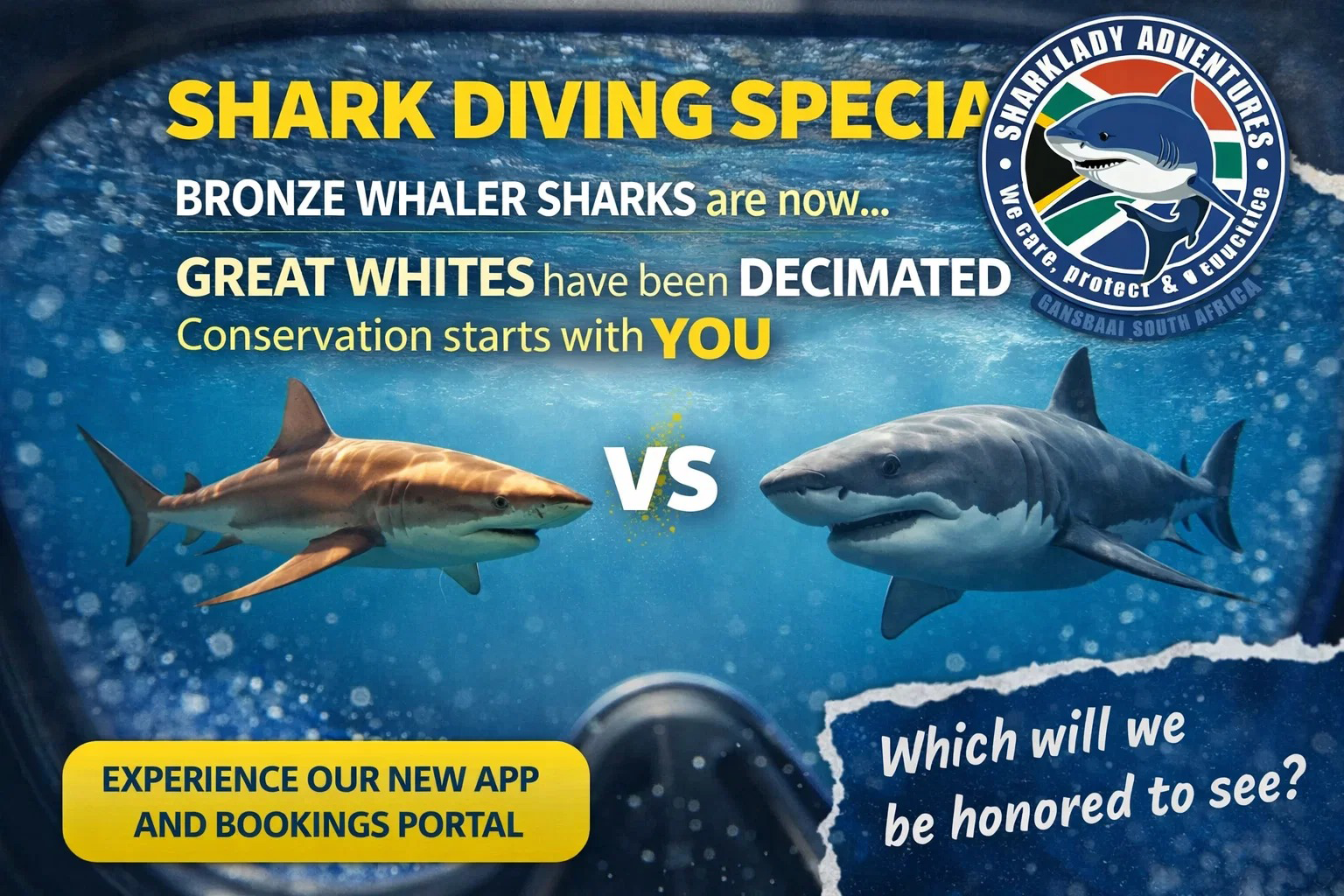
The Sharklady’s Welcome Welcome to the waters I have called home and protected for over 30 years. My journey began long before I pioneered shark cage diving in 1992; in 1978, I was the first woman allowed to join South African research teams at sea for the Department of Sea Fisheries. At a time when women were barred from such missions, I proved my worth on the maiden voyage of the Africana and through research expeditions to the Antarctic and Marion Island. I have dedicated my life to being a voice for creatures who cannot speak for themselves. Today, I want to introduce you to the two primary stars of our Gansbaai coastline—the legendary Great White and the graceful Bronze Whaler.The Heavyweight: The Great White Shark (Carcharodon carcharias) The Great White is the pinnacle of marine predation, a highly evolved marvel that has remained virtually unchanged for 200 million years. These massive, heavyset animals reach an average length of 4 to 6 meters and can weigh up to 2,500kg. While they are famous for their distinct white belly and grey upper body, true experts look at their eyes. Unlike many other sharks, members of the Lamnidae family lack nictitating membranes to protect their eyes; instead, they roll their eyes completely back into their sockets during predation for protection. As true apex predators, they selectively target marine mammals like seals, often breaching the water surface in a display of pure evolutionary perfection.The Shimmering Socialite: The Bronze Whaler (Carcharhinus brachyurus) While the Great White is a solitary giant, the Bronze Whaler—also known as the “Copper Shark” or “Narrowtooth Shark”—is a social, schooling species. They are slimmer and smaller than the Great White, typically measuring between 2.5 and 3.3 meters. They are named for the striking metallic bronze sheen on their upper bodies that gleams under the sunlight like liquid metal. Unlike the mammal-hunting Great White, “Bronzies” are fast, active hunters that coordinate in groups. We often observe them engaging in cooperative hunting, working together to herd fish into “bait balls” before lunging through the mass to feed on baitfish, squid, and rays. Side-by-Side Comparison Feature Great White Shark Bronze Whaler Shark Scientific Name Carcharodon carcharias Carcharhinus brachyurus Average Size 4 – 6 Meters 2.5 – 3.3 Meters Diet Marine mammals, fish, and other sharks Fish (baitfish), squid, and rays Primary Habitat Temperate and cool coastal/offshore waters Warm temperate coastal waters and surf zones Hunting Style Solitary Apex Predator Cooperative Hunting / Bait Balls Experience the Magic There is no substitute for seeing these animals in their natural habitat. I invite you to join our expert-guided boat trips to witness the shimmering grace of the Bronzie or the legendary presence of the Great White for yourself. Our tours are designed to be educational, informative, and safe for both humans and sharks. Contact Sharklady Adventures: #SharkladyAdventures #GreatWhiteShark #BronzeWhaler #Gansbaai #SharkConservation #MarineBiology Powered by SAAIS // WHATS_system TM
Great White Shark Decline Gansbaai: What Happened to the Ocean’s Apex Predator?
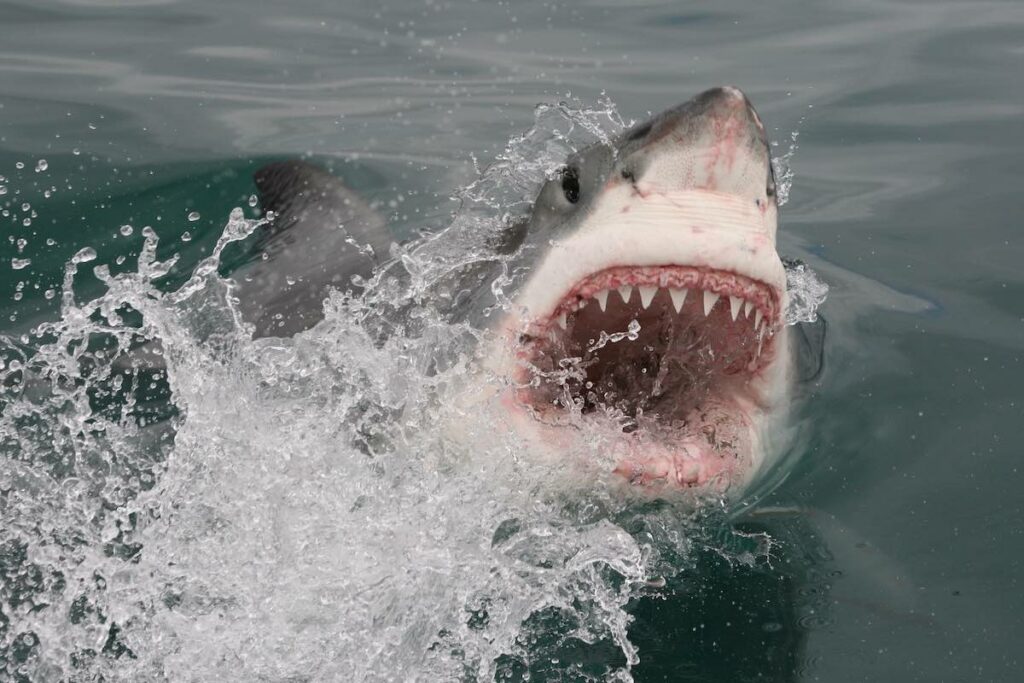
The Great White Shark decline Gansbaai has raised concern among scientists and tourism operators. Discover the causes, ecological impact, and conservation efforts in South Africa.
Orcas South Africa: Apex Predators Impacting Great White Sharks
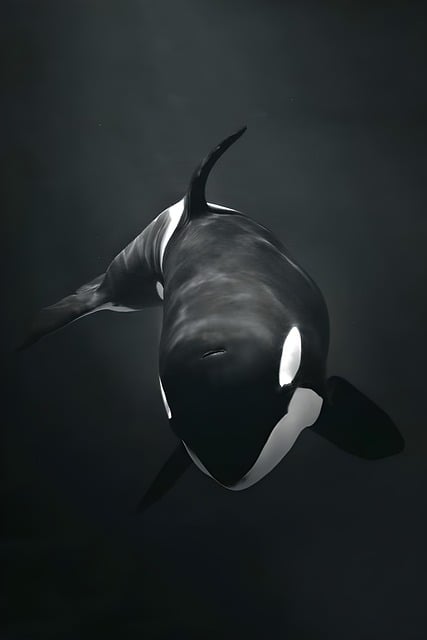
Discover how Orcas South Africa influence marine ecosystems, their impact on Great White Sharks in Gansbaai, and why these apex predators are vital to ocean conservation.
Responsible Shark Tourism South Africa: Ethical Shark Cage Diving in Gansbaai
Discover how responsible shark tourism South Africa supports Great White shark conservation. Experience ethical shark cage diving in Gansbaai with Adventure Tours Africa.
Great Marine Adventures in the Western Cape, South Africa
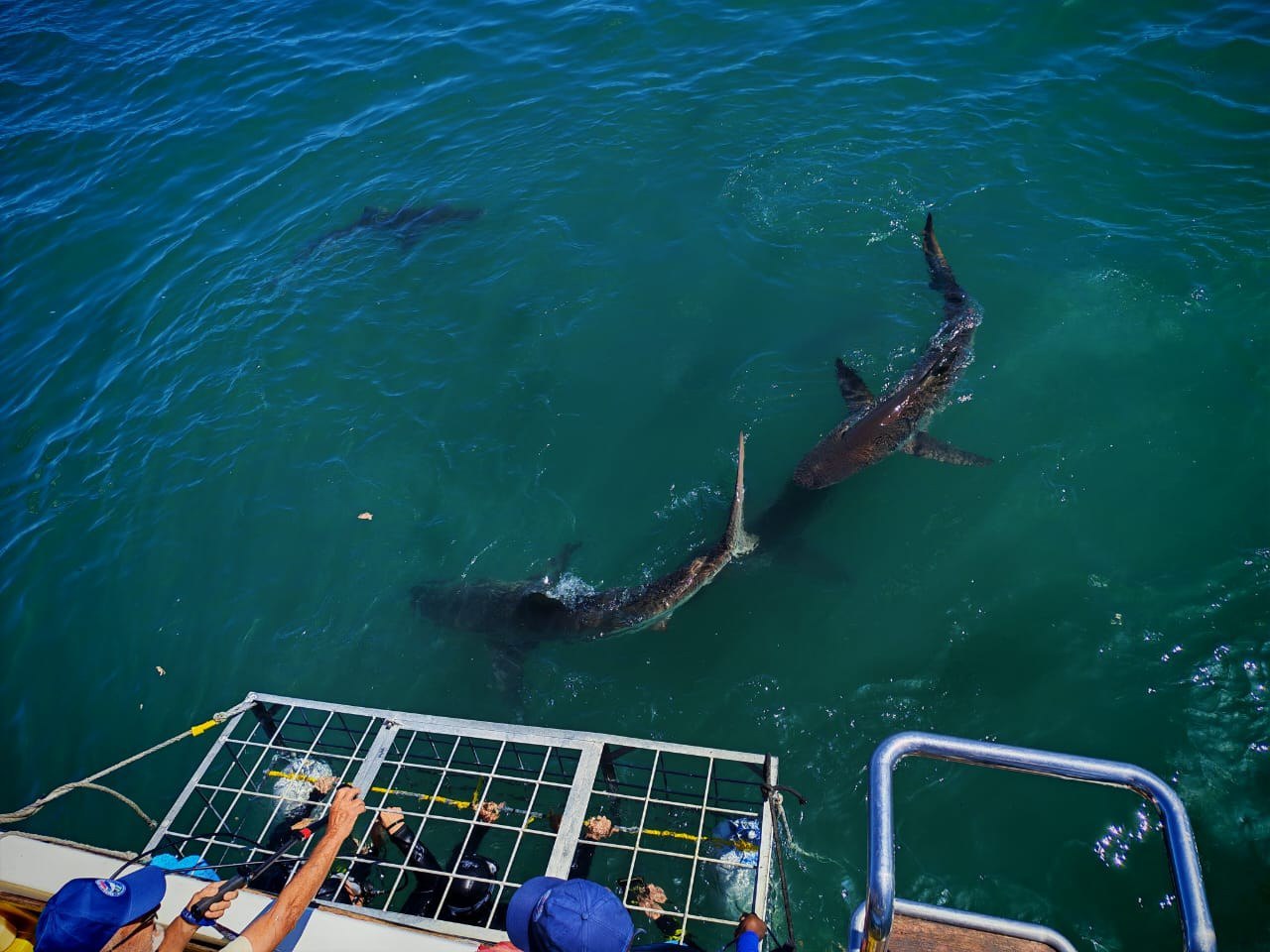
Experience South Africa’s marine wildlife with shark cage diving in Gansbaai, whale watching in Hermanus, and ethical eco-tours with Adventure Tours Africa.
How Climate Change is Affecting South Africa’s Oceans: What You Need to Know
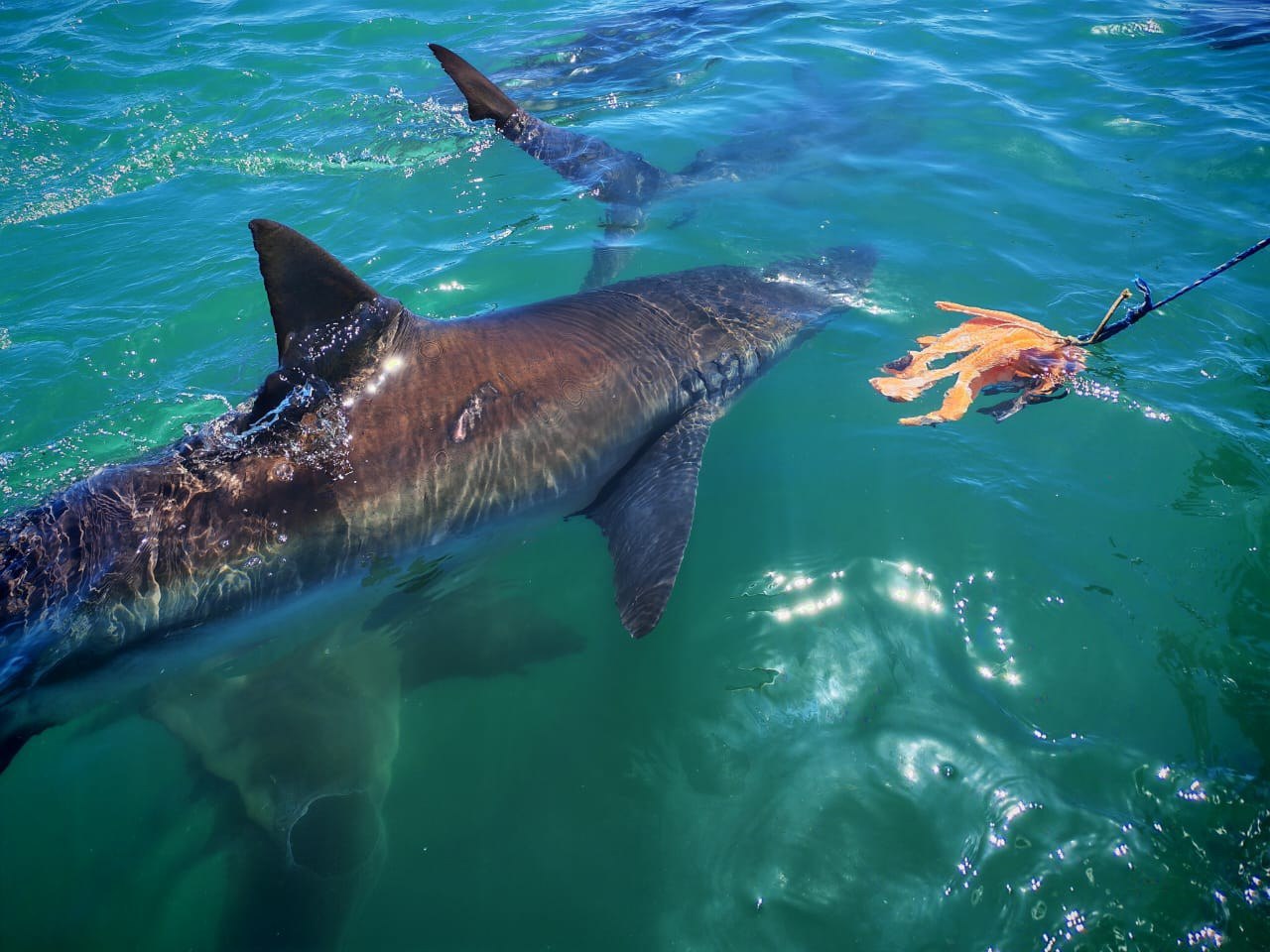
Climate change is altering South Africa’s oceans, affecting sharks, whales, and fish. Learn how marine ecosystems are shifting and what Adventure Tours Africa is doing to help.
The Ultimate Guide to Marine Adventures in the Western Cape

The Western Cape is where two oceans meet — the cold Benguela Current of the Atlantic and the warm Agulhas Current of the Indian Ocean. This creates one of the most diverse marine environments on the planet.
Dive into Fun: Quirky Facts About Bronze Whaler Sharks
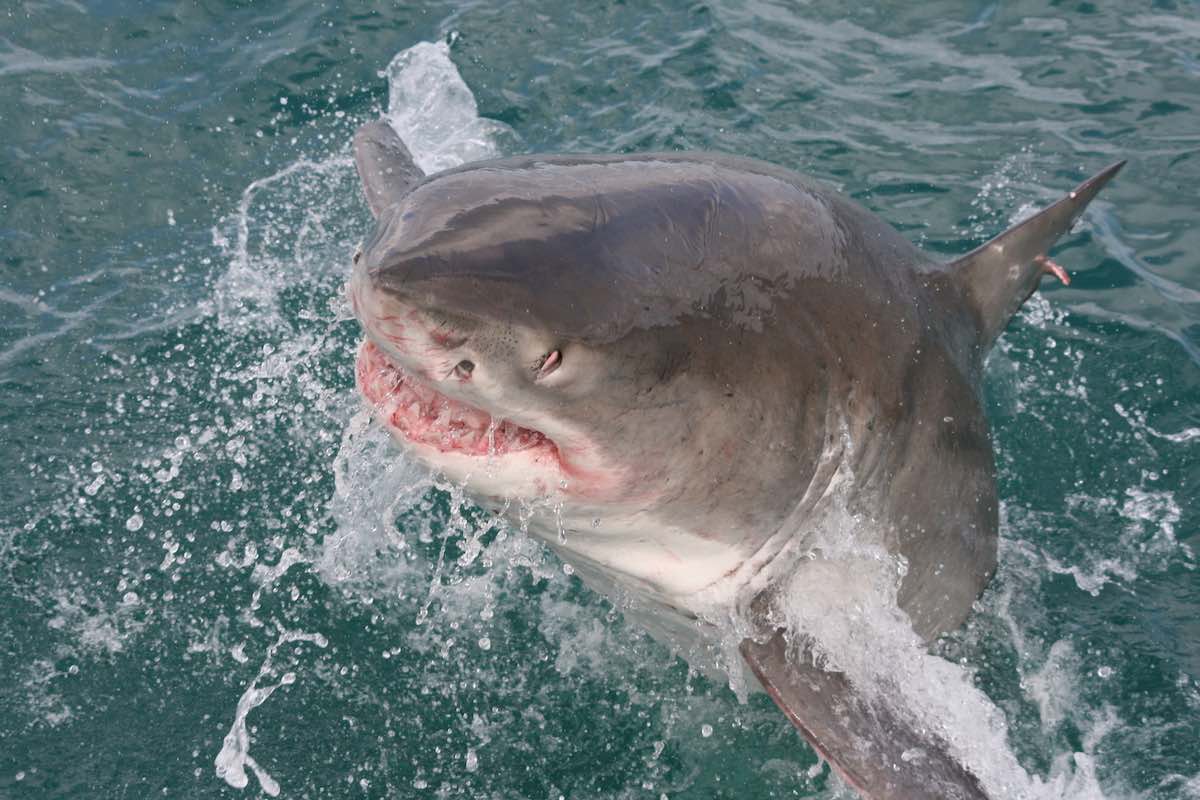
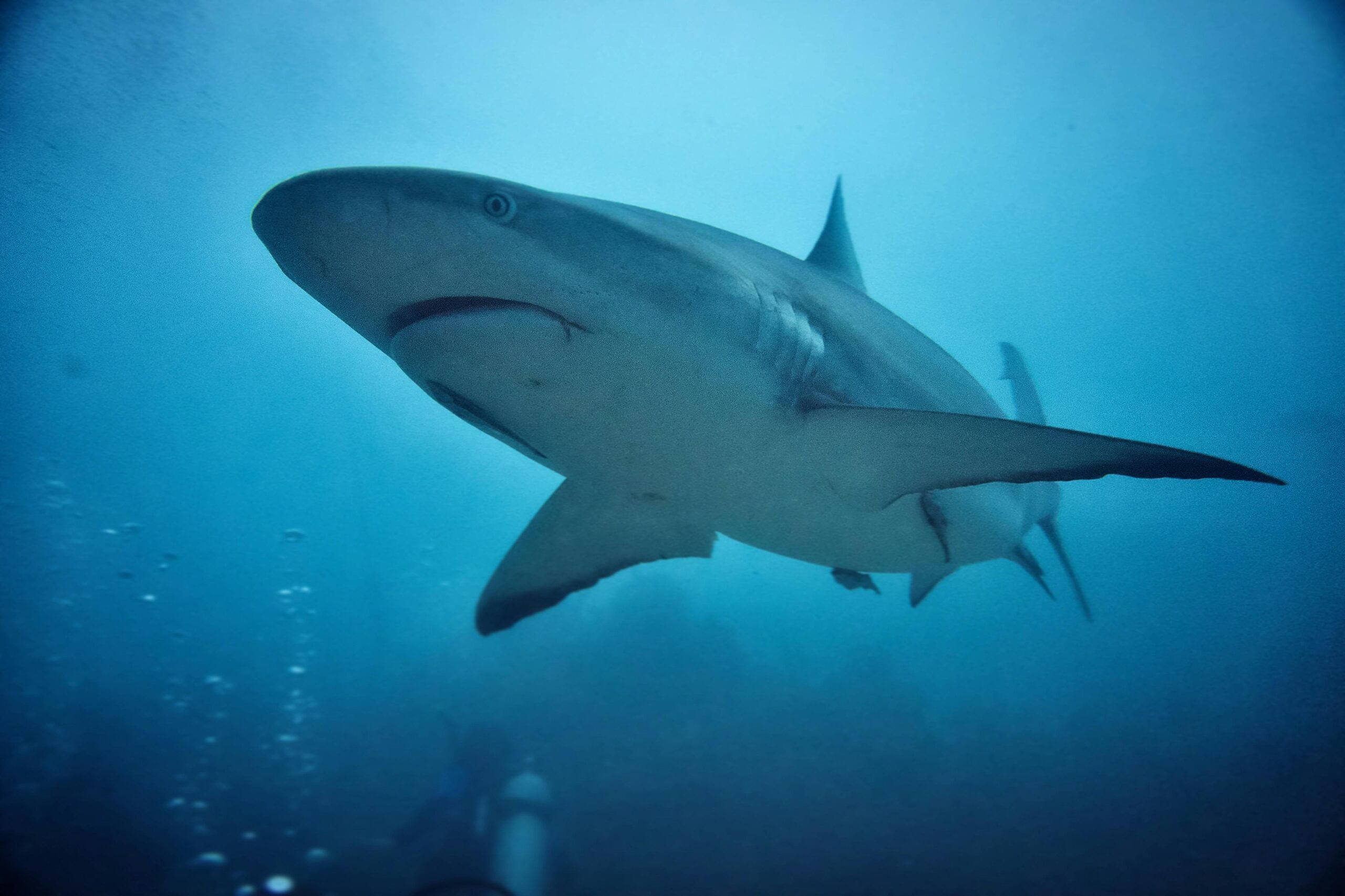
Quirky Facts About Bronze Whaler Sharks Welcome back to Sharklady Adventures! Today, we’re taking a playful plunge into the fascinating world of Bronze Whaler Sharks. Known for their sleek beauty and intriguing behaviors, these sharks are not just another fish in the sea; they are full of surprises! Whether you’re planning a marine adventure in Gansbaai or simply curious about these magnificent creatures, you’ll find plenty of fun facts to enjoy. Meet the Bronze Whaler Shark The Bronze Whaler Shark, scientifically known as Carcharhinus brachyurus, is a member of the requiem shark family. These sharks can grow up to 3.5 meters long and weigh around 300 kilograms, making them one of the larger shark species found in temperate waters. Their distinctive bronze-grey coloration gives them their name and helps them blend seamlessly into their surroundings.Fun Facts About Bronze Whaler Sharks Social Butterflies: Unlike many solitary shark species, Bronze Whalers are known to be quite social! They often form small groups or pairs, especially when hunting. Watching them work together to herd schools of fish into bait balls is a sight to behold.Not Just a Pretty Face: These sharks possess an incredible sensory system. Their lateral line can detect vibrations in the water, allowing them to sense prey from a distance. This makes them highly skilled hunters!Clever Learners: Bronze Whalers are intelligent creatures that can learn and adapt their hunting strategies based on environmental changes. They’ve been observed learning where and when to find food, showcasing their impressive cognitive abilities.The Great Camouflage Artists: Their bronzy-grey color isn’t just for show; it’s an evolutionary advantage! This coloration helps them blend into the ocean floor, making it easier for them to ambush unsuspecting prey.Smooth Operators: The skin of a Bronze Whaler is covered in tiny tooth-like structures called dermal denticles. These help reduce drag as they swim, allowing them to glide effortlessly through the water.Eyes on the Prize: With large, circular eyes equipped with a nictitating membrane (a sort of third eyelid), Bronze Whalers can protect their eyes while hunting or during encounters with other marine life. Names Galore: What Do We Call Them? Bronze Whaler Sharks go by many names across different regions and cultures. Here’s a quirky list of some of their common names: Bronze WhalerCopper SharkNarrowtooth SharkCocktail SharkBronzie (popular in Australia)Horopekapeka (Maori name from New Zealand)Koperhaai (Afrikaans)Squalo ramato (Italian)Tiburón cobrizo (Spanish) Each name reflects something unique about this fascinating species, whether it’s their color or their behavior! Shark Cage Diving with Bronze Whalers If you’re looking for an unforgettable experience, consider joining a shark cage diving tour in Gansbaai. While many people flock to see the famous Great White Shark, don’t overlook the playful Bronze Whalers that also inhabit these waters.What Makes It Special? Unique Encounters: While diving with sharks, you may get lucky and see these lively creatures up close as they swim gracefully by your cage.Educational Experience: Many operators provide insights into the behavior and ecology of Bronze Whalers during your dive, making it not just an adventure but also an educational experience.Breathtaking Scenery: The waters around Gansbaai are stunningly beautiful, offering views that make your marine adventure even more memorable. In Conclusion Bronze Whaler Sharks are not just fascinating creatures; they embody the spirit of adventure that draws many to the ocean’s depths. With their playful nature and unique adaptations, they remind us why we should cherish our marine ecosystems.So whether you’re gearing up for a thrilling day of shark cage diving, planning your next trip to Gansbaai, or simply enjoying some fun facts about these incredible animals, remember that every encounter with a Bronze Whaler is an opportunity to connect with nature in its most awe-inspiring form!