
Shark Cage Diving Prices in Gansbaai & Cape Town — What You’re Really Paying For
Shark Cage Diving Pricing FAQ in South Africa By Sharklady Adventures When people start planning their shark cage diving adventure, one of the first questions they ask is: “Shark Cage Diving Prices in Gansbaai & Cape Town — What You’re Really Paying For?” It’s a fair question. Whether you’re visiting from Cape Town, travelling through Hermanus, or planning a bucket-list marine experience in Gansbaai, price is naturally one of the first things people compare. But here’s the truth: the cheapest trip is not always the best trip. With shark cage diving, what you are paying for is far more than just a seat on a boat. You’re paying for safety, experience, time in the water, professional guidance, equipment quality, and the overall memory of the day. At Sharklady Adventures, we believe it’s important that guests understand exactly what goes into the cost of a world-class marine experience. More Than Just a Price Tag Two shark diving trips may look similar online. They may even seem close in price. But once you are out on the water, the experience can be completely different. The cost of a trip is influenced by several important factors: These are the details that determine whether your experience feels rushed, average, or absolutely unforgettable. Safety Comes First One of the most important parts of any shark cage diving experience is safety. This is never the place to cut corners. Your booking price helps cover: At Sharklady Adventures, guest safety is part of everything we do. From the moment you step aboard, our team ensures that every guest feels informed, comfortable, and fully supported. The Crew Makes the Experience A great shark trip is about more than sharks. It’s about the people guiding you. An experienced crew understands: This local knowledge dramatically improves both the safety and quality of the experience. Kim and the Sharklady team bring decades of real-world marine experience to every trip. That expertise is part of what guests are truly paying for. Time in the Cage Matters This is one of the biggest differences between operators. Some lower-cost trips place large groups on the boat. That often means less time in the cage per person. At Sharklady Adventures, we focus on smaller, more exclusive groups, which means: This makes a massive difference to the overall value of the day. Quality Equipment & Air Supply Your experience depends heavily on the quality of the equipment. This includes: Guests should be focused on the excitement of the moment — not worrying about equipment. That peace of mind is built into the trip price. Education & Conservation For us, this is not just an activity. It’s an educational marine experience. Guests don’t just come to see sharks. They come to understand them. Every trip offers valuable insight into: This educational value is what transforms a trip into something memorable. Why Value Matters More Than Price When comparing prices, don’t ask: “Which one is cheapest?” Ask: “Which one gives me the best overall experience?” The best value comes from: That is what creates the memory guests talk about long after the trip is over. Book Your Shark Adventure If you’re looking for a safe, thrilling, and truly memorable shark cage diving experience in Gansbaai, Sharklady Adventures is here to welcome you. Book your next ocean adventure with us and experience the thrill of the sharks from the safety of the cage. WhatsApp: +27 83 746 8985Call: 076 810 0007Email: crew@sharklady.co.zaAddress: 14 Geelbek St, Van Dyks Bay, Gansbaai
Great White Shark Decline Gansbaai: What Happened to the Ocean’s Apex Predator?
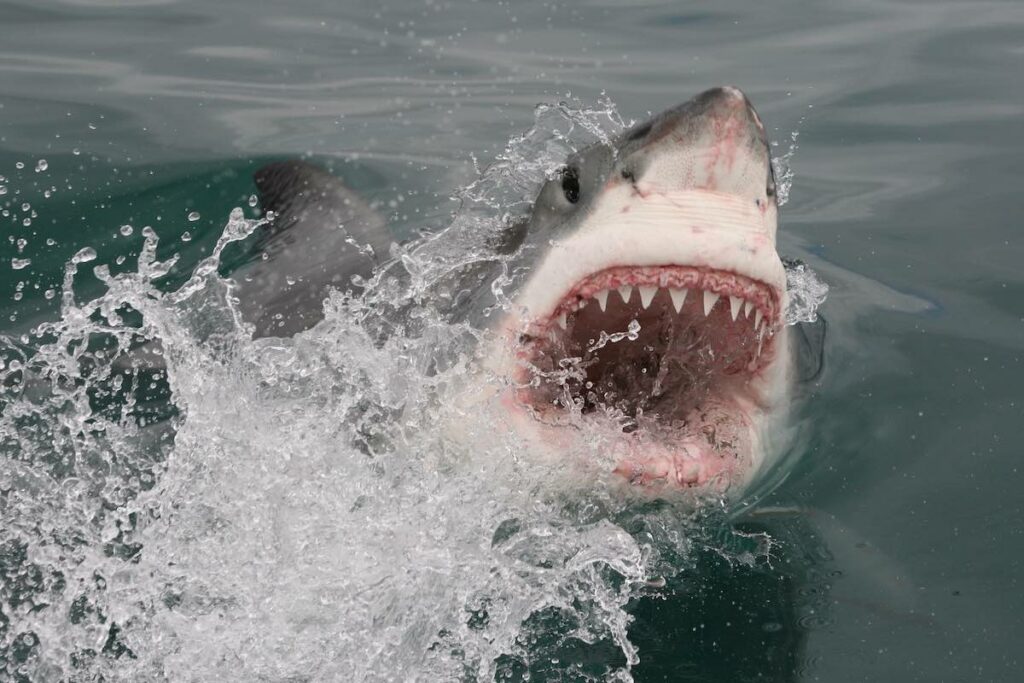
The Great White Shark decline Gansbaai has raised concern among scientists and tourism operators. Discover the causes, ecological impact, and conservation efforts in South Africa.
Orcas South Africa: Apex Predators Impacting Great White Sharks
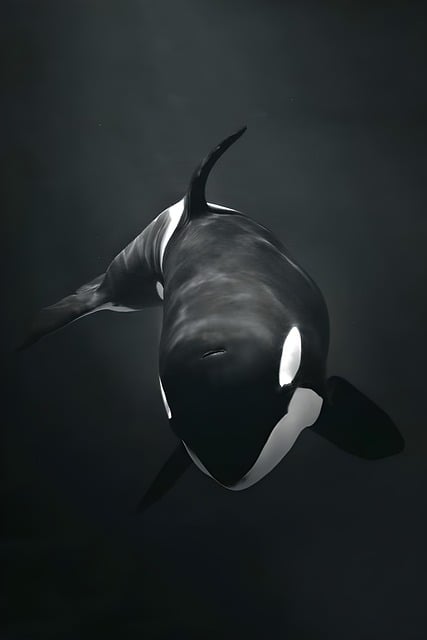
Discover how Orcas South Africa influence marine ecosystems, their impact on Great White Sharks in Gansbaai, and why these apex predators are vital to ocean conservation.
5 Differences between Great White Sharks and Bronze Whaler Sharks
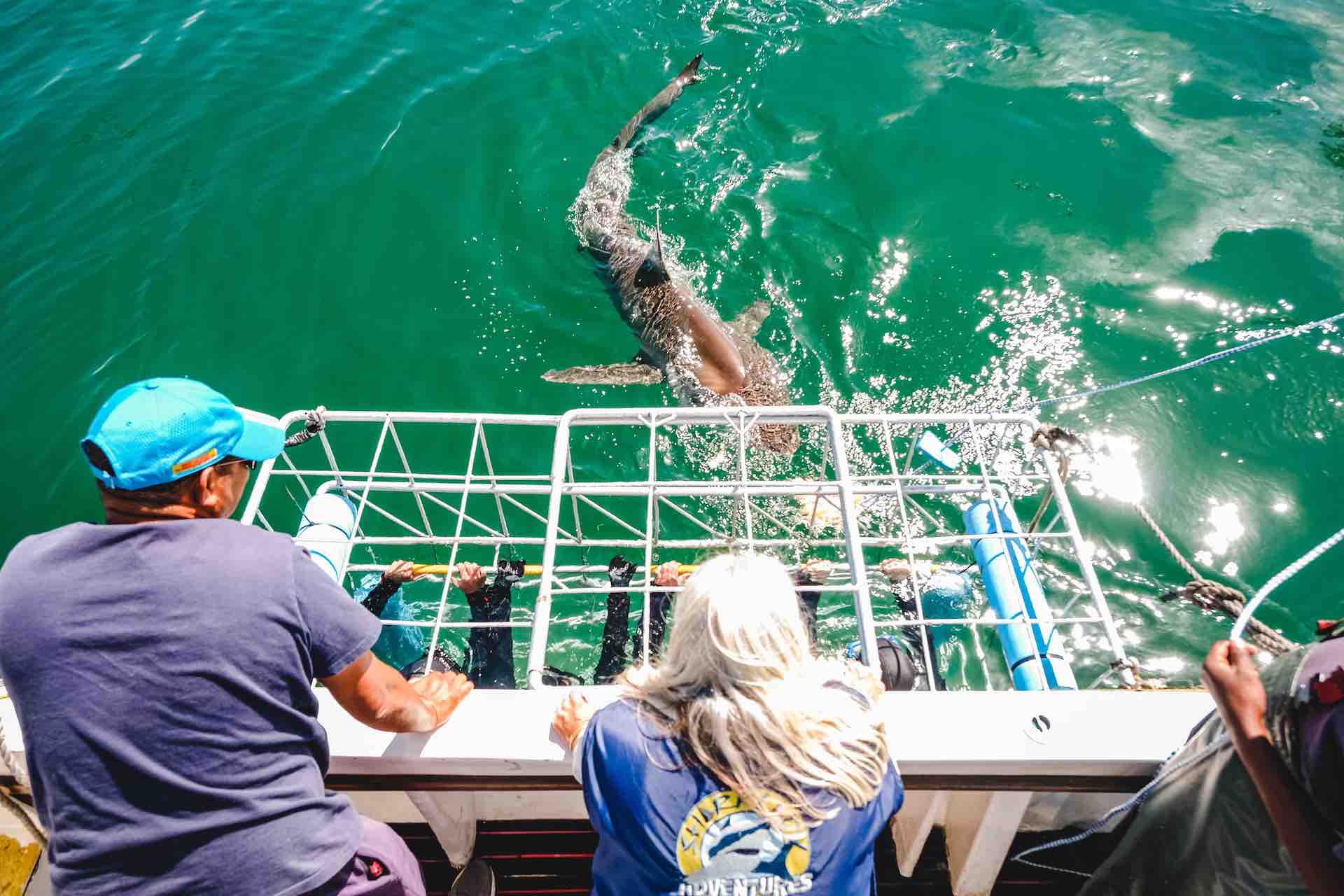
5 Differences between Great White- and Bronze Whaler Sharks Let’s see how they differ, and in which ways they perhaps are similar… The Great White shark (Carcharodon carcharias) and the Bronze Whaler shark (Carcharhinus brachyurus) are two distinct species of sharks with several differences: 1. Appearance: Great White sharks are larger and bulkier, reaching an average length of 15-20 feet and weighing up to 5,000 pounds. They have a distinct white belly and a grayish upper body. Bronze Whaler sharks, on the other hand, are smaller, averaging around 8-10 feet in length and weighing up to 600 pounds. They have a bronze or grayish-brown coloration. 2. Habitat: Great White sharks are found in coastal and offshore waters of temperate and subtropical regions worldwide. They are known for their preference for cooler waters. Bronze Whaler sharks, on the other hand, are primarily found in warmer coastal waters, including the Indian and Pacific Oceans. 3. Diet: Great White sharks are apex predators and feed on a variety of marine animals, including seals, sea lions, fish, and even other sharks. They are known for their powerful bite and ability to take down large prey. Bronze Whaler sharks, on the other hand, have a more varied diet that includes fish, squid, rays, and smaller sharks. 4. Behavior: Great White sharks are known for their predatory behavior and are often associated with attacks on humans, although such incidents are relatively rare. They are known for their ability to breach the water surface while hunting. Bronze Whaler sharks, on the other hand, are generally not considered a threat to humans and are known for their schooling behavior, often found in groups. 5. Conservation status: Great White sharks are listed as vulnerable by the International Union for Conservation of Nature (IUCN) due to overfishing, habitat degradation, and accidental capture in fishing gear. Bronze Whaler sharks, on the other hand, are listed as near threatened, primarily due to overfishing and habitat loss. It is important to note that both species play important roles in their respective ecosystems and contribute to the overall balance of marine life.